Two years ago I was diagnosed with stage one breast cancer. I am disease-free and well now but calling myself a survivor makes me feel like I’m the victim who somehow got away. Or that the cancer that invaded my body has now taken over part of my identity. It’s easier to say nothing about that experience, less out of a desire for privacy (though that is a factor) and more out of distaste for the responses—dismay, horror, discomfort—that go along with making that admission. Susan Sontag said it best in her book, Illness as Metaphor: cancer is a dread-arousing disease that in too many contexts will be felt “to be morally, if not literally, contagious.”
The people who call themselves survivors do so as an act of taking pride in personal resilience. I respect this though it is not my preference. In that way, I am like my father’s stepbrother, a dynamo of a man who chose to keep his two-time cancer battle to himself. I only found out about it when another family member mentioned it once and in passing without specifying the type of cancer he’d had. That revelation was unsettling to a young woman still enamored with the illusion of her own immortality. How could someone go through something so monumental and show no apparent trace of its passage?
Cancer rips holes in every life it touches; in worst case scenarios it burns everything to the ground. For me, the damage was more financial than physical. I am rebuilding a retirement fund I raided to help pay the bills the insurance I almost didn’t get as a then-unemployed person wouldn’t cover. It could have been worse: I could have been diagnosed with a more aggressive form of the disease. Or I could have lost my house as too often happens in a country where healthcare is deemed a privilege rather than a right. My uncle was lucky. He had means but also lived in a country where healthcare, though not free, was affordable for everyone regardless of income.
Treatment is an ordeal no matter the severity of the diagnosis. If anything made me feel victimized, it was the endless rounds of doctor visits, exams and whatever form of treatment—usually radiation or chemotherapy and some form of immunotherapy—doctors prescribe. I only needed radiation; but one month of treatment left me struggling with exhaustion for more than a year. Only after the tiredness left my body did was I able to see the strange gift cancer had bestowed. Like the X-rays that destroyed any diseased cells that remained in my body, the experience of cancer itself had burned away other toxins—old fears, angers, resentments—that had accumulated in my emotional one.
Thinking of my uncle in the aftermath, I wonder now whether cancer did not leave him with a similar “gift.” Was the lust for life I knew in some way honed to an even fiercer degree by the health struggles he kept private? My father knew him as full of the nervous energy he claimed was a trait of most Parisians. But looking back at the college summer I spent with my uncle in his Left Bank apartment, I always got the feeling of someone obsessed with movement and activity; as if at the bottom of it, he had become aware of his own mortality
It’s clear that my uncle understood neither time nor health was ever a given: living in the now was all he could do and he turned it into an art. He worked hard as a jeweler in one of the most exclusive districts in Paris. But he also made ample time to travel around the world and take pleasure in simple things: savoring a glass of fine pinot noir. Picking cherries from the trees that grew around the small property he owned outside the city. Playing vigorous rounds of tennis with his many friends. That was living.
Freed from medical captivity, I also find myself pushing the boundaries of what my body can offer. Almost the same age my uncle was when I first visited him, I have the energy to not only hold down a job but do the other things I love. The difference now is that I understand my priorities. I take more conscious pleasure in my time and seek balance. Instead of losing myself to the “business of getting and spending,” I lavish more time on physical fitness, my garden and my words: three things that going forward will define more of my days.
Life feels freer now despite externals I can only witness rather than change; control itself is more illusion than reality. In that way, cancer was an antidote to a persistent existential malaise that I tried to master through work and the drive to achieve. Something about having that disease, about being the only person in a blood family with no history of cancer, pushed me toward—then through—any remaining feelings of victimhood, reminding me I didn’t need to carry any of my old losses with me. Newly emerged from the chrysalis of disease, I could choose something different.
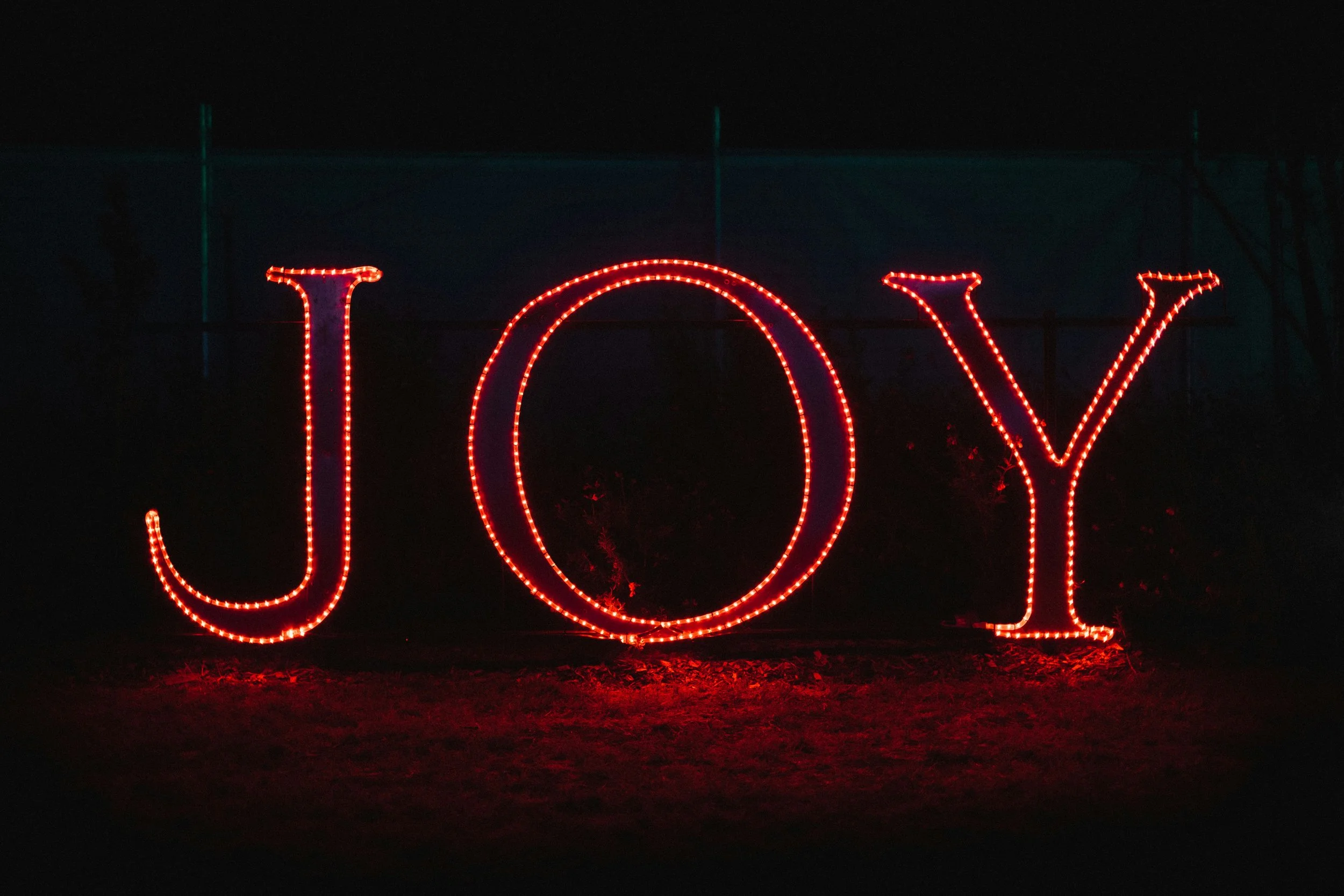
I could choose joy.