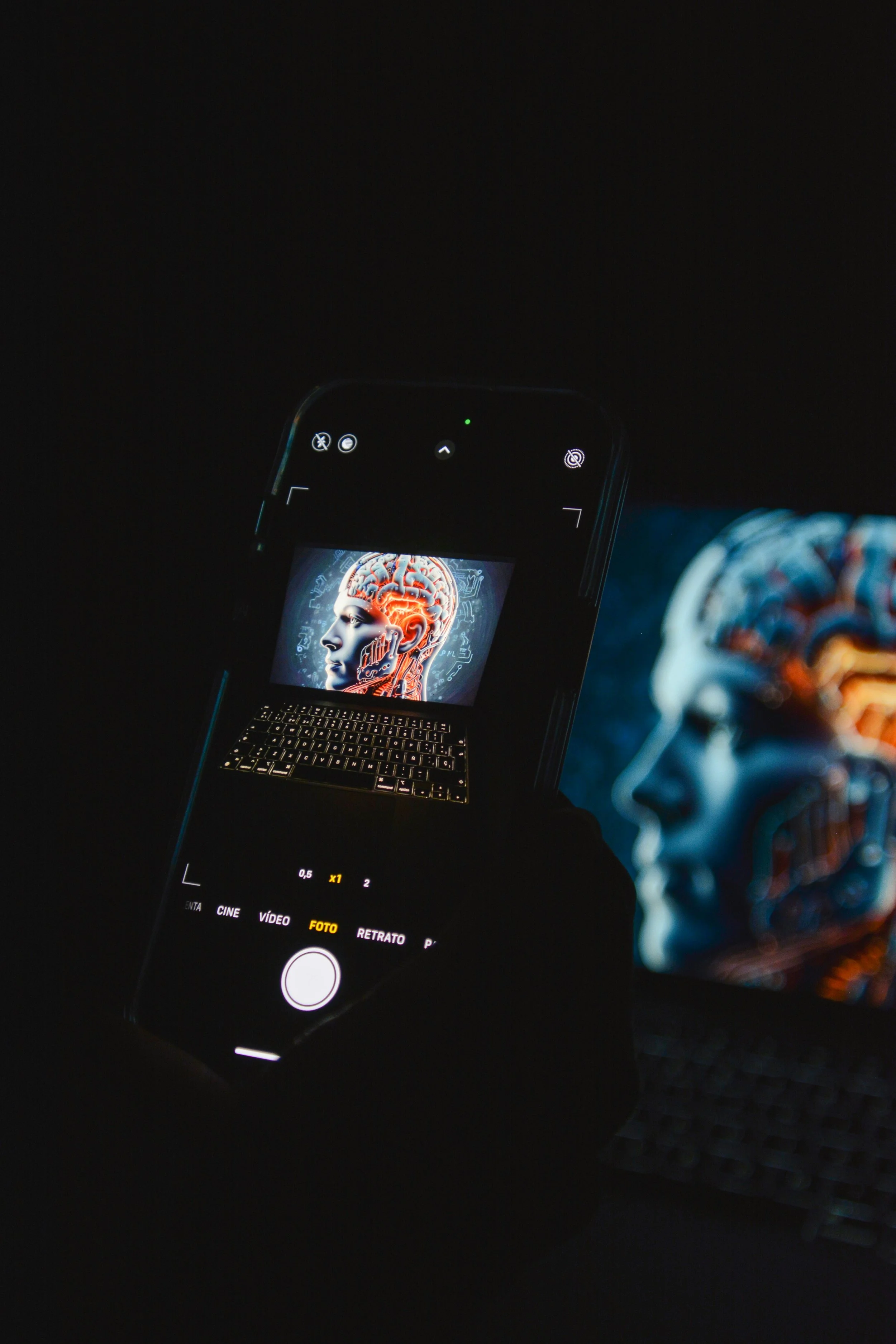
Everything is simulation.
I’m so over catastrophizing artificial intelligence. Fearmongers on social media will try to convince you that AI will enslave or kill off humanity and create a synthetic global empire. They’re only half-right. Humans will be the ones to enslave or destroy each other. The electronic machines we have created will just be one of the ways in this happens.

Virtual self-imaginings.
Too many catastrophize artificial intelligence. Social media doomsayers in particular will try to convince you that AI will enslave or kill off humanity and create a synthetic global empire. They’re only half-right. Humans will be the ones to enslave or destroy each other. The electronic machines we have created will just be one of the possible ways this might unfold.
I have used it as systems controller, a way to regularize lighting and watering cycles for a hydroponic unit I own. I have also used it (as ChatGPT) to entertain by asking it to revise an old image of me into the punker I never was, queen nihilist from a parallel universe. And I have also used it (as Google Gemini) to gather information about alternate ways to visit a West Texas town I thought was only accessible by car and handle annoying colleagues who don’t understand that ADD is not a prime operating mode for everyone.
It is useful, and brilliantly so; but AI is not sentient. It does not feel, it does not perceive, it does not experience physical. AI is a synthesizing tool that processes more data more quickly than the human minds that created it. Artificial intelligence retrieves information then studies it to solve problems, recognize patterns or, as it did with my photograph, transform. Maybe the bigger issue has less to do with AI’s capabilities are and more with the people behind it. Who controls it? To what extent? And for what purpose?
**
The year is 2036. I am retired now, but still at my computer, writing. I don’t use the quantum-based machines that first came out in the early 30s; there’s no need in my world for the kind of power that synthesizes all knowledge in seconds to do the slow, very human work of building with words. Like most of the members of my generation, I love my electronic gadgets. But quantum computers are expensive and I’d rather spend my money on supplies for my greenhouse or trips to places not ravaged by the wars of the late 202s or the climate shifts that turned temperate zones into unbearably torrid ones.

Coding in blue.
I don’t find myself missing my days in an office nor do I feel alone in my house; my work absorbs me completely. And if I have questions or need to research something or want a logical opinion, there’s always the AI assistant in my computers, my cell phone and my tablet. All the places I can see or that I can operate with my fingers or the click of a mouse. And if the young ones, with their love of inhabiting electronically generated spaces, call me retro for my insistence on tactility, that’s just fine.
**
One thing about AI that so many finding concerning is how—and when— it will start usurping jobs. Machines are indeed taking over some entry-level jobs that support and organize for other roles requiring the judgment and decision-making abilities AI does not have. They are a Taylorist’s dream: maximum economic efficiency and labor productivity for supposedly optimal workflows. And humans? They get sick, need time off, don’t always work well together. And that costs the time and money many businesses would rather not spend. But AI needs those messy humans to make fixes; it is only as perfect as the beings who made it in the first place.
What I find concerning is hubris. Specifically, the hubris displayed by those with more money than ten generations of their family could ever exhaust. They have enough to own the world; in fact, they are trying to do that right now. AI is what they believe is the next iteration of the human greatness that wears their faces. They use it to capitalize on chaos, create mis- and disinformation that serves their ends. They know that the fear this stokes is even more powerful than AI itself; because fear is what gives them the power to control.
**
I first adapted to the late twentieth century cybernetics revolution with the purchase of an Apple box computer in 1992. Computers had become extensions of our bodies. They made instantaneous communication possible from anywhere in the world and offered new ways of making and doing. I didn’t think of myself as a cyborg then; but that’s exactly what I and everyone else I knew was becoming.
That was only the beginning. A little more than a decade later, social media emerged and opened up possibilities for living in two dimensions online. They called it virtual reality or VR, a place where information and electronically created and enhanced cyborg “selves” could exist. Some selves took advantage of systems to steal data while others created exaggerated versions of themselves and of the world they lived in. Authenticity became scarce.
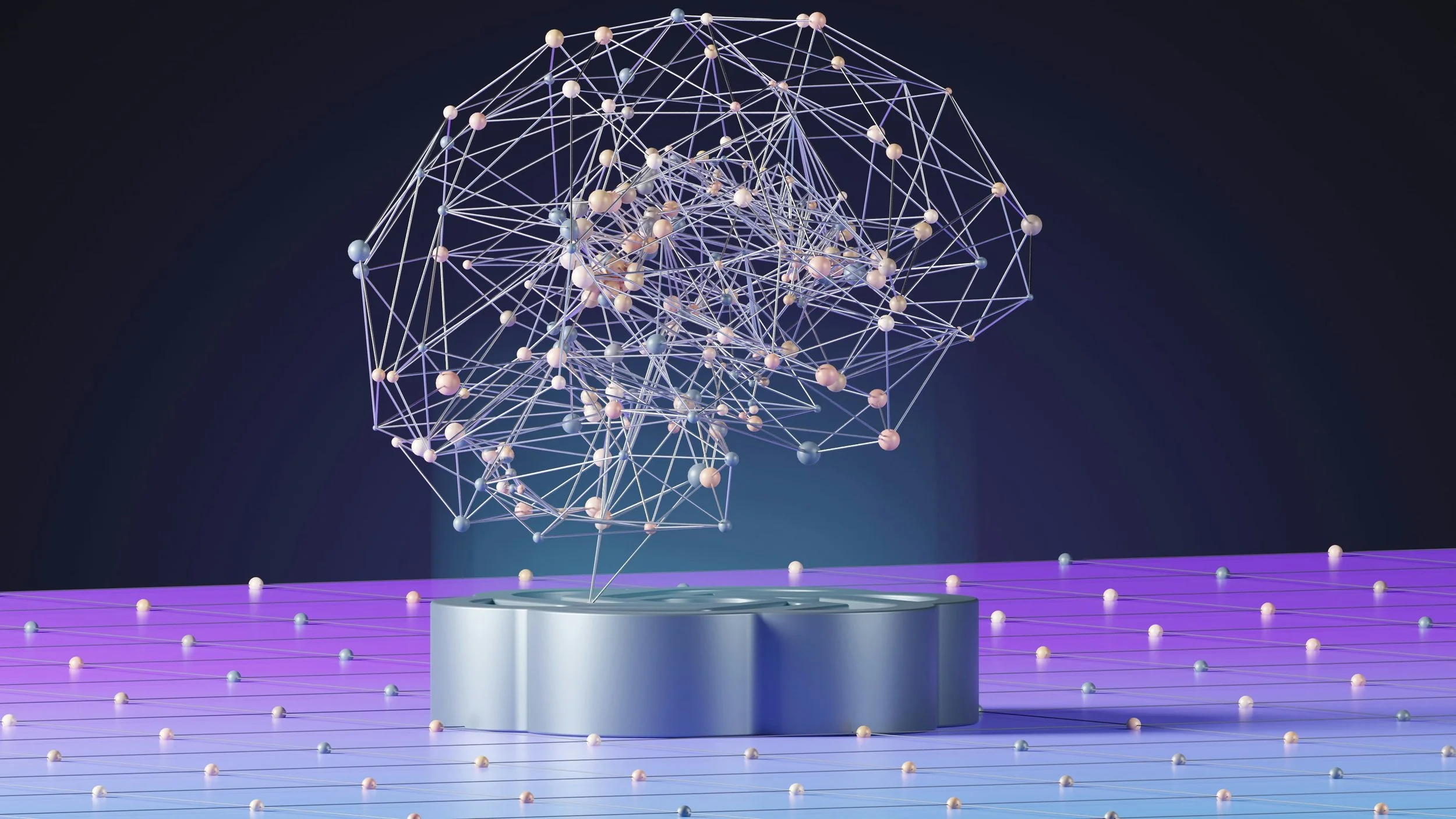
Then the dreams of merging more deeply with technology began. Things like wearable technologies—like watches, VR goggles and glasses—developed. By 2026, clinical trials for neural implants meant to help the paralyzed control digital and physical objects with their minds were showing promise. Technology was moving faster than anyone had ever seen; so were pressures from the people it had enriched to create a world built to serve them and not a greater collective will.
Ten years on, I am still here, still part of this evolving human reality. Though prone to moving more deliberately in the world, I have no mechanical implants, unless you count the intraocular lenses —the kind that aren’t enhanced with AI—my ophthalmologist recently put in during cataract surgery. I’ll say it again: artificial intelligence is a marvel, but not inside my body. Because you just never know and because old habits and suspicions die hard.